By Texas Homes & Land
Maintaining the foundation of your home is a critical responsibility for every homeowner. After all, your home’s foundation is more than just concrete and rebar; it’s the cornerstone of comfort, value, and long-term structural stability. It’s the bedrock that keeps your home level and stable.
In Celina, TX, homeowners enjoy the rewards of a thriving community with beautiful landscapes, but they also know that shifting soils, dry spells, and heavy rains are part of the experience. These natural elements can also have a lasting effect on your foundation.
If you want your home to stand the test of time, you need to take a proactive approach to maintenance. That way, you can ensure that your foundation remains a strong, reliable base for everything you love about your home.
Embracing simple, effective maintenance strategies means you’ll enjoy peace of mind and protect your investment for the long haul.
Key Takeaways
- Proactive care supports a healthy, durable foundation.
- Consistent moisture levels contribute to long-term stability.
- Regular inspections help you keep your foundation in excellent shape.
- Proper drainage and landscaping boost your home’s curb appeal and foundation health.
- Partnering with professionals can bring you lasting peace of mind.
Understanding Celina’s Soil and Climate
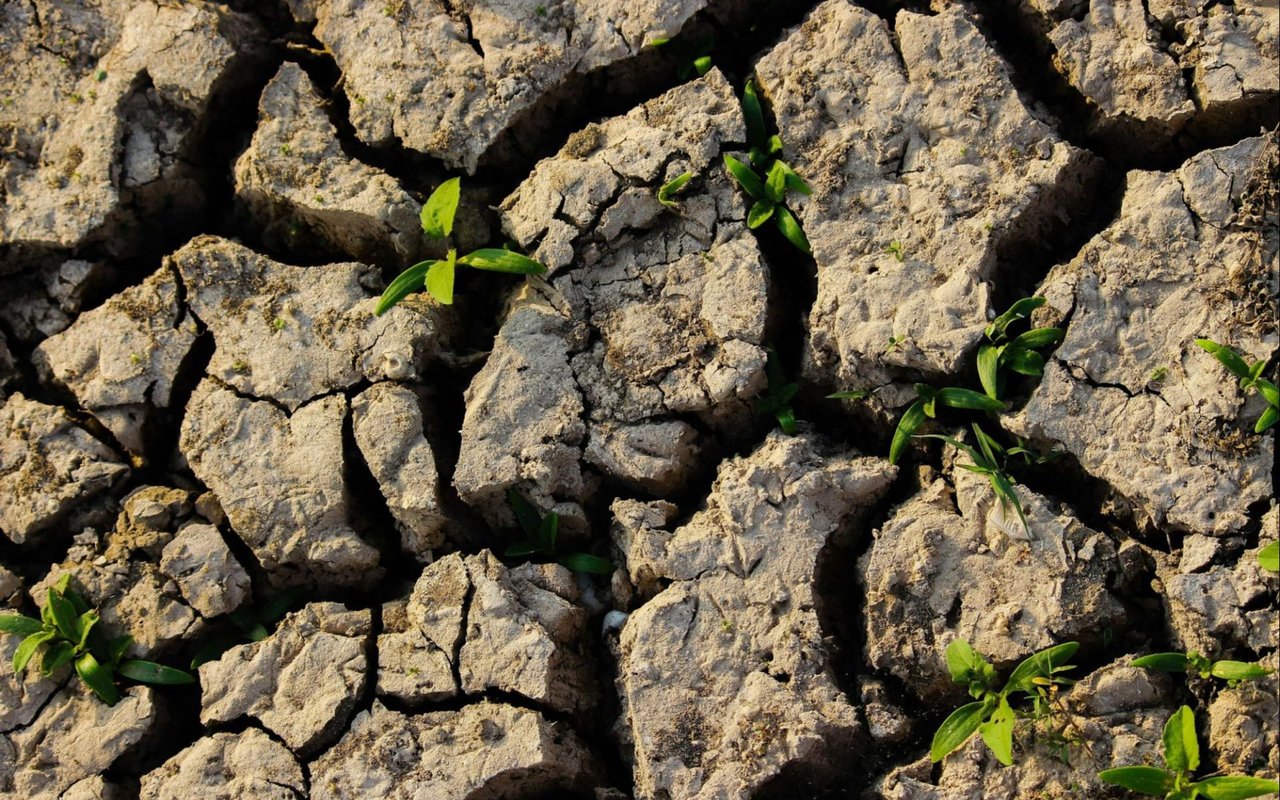
Celina sits in an area known for its expansive clay soils, which react dramatically to changes in moisture levels. During wet seasons, the soil absorbs water and swells. When the weather turns dry, however, that same soil contracts and shrinks away from your foundation. This repeated movement can lead to cracks, shifting, and other foundation problems over time.
Celina also experiences temperature swings, occasional downpours, and sometimes even long periods without rain. All of these factors can combine to put stress on your home’s base. That’s why it’s so important to understand how local soil and weather patterns can impact your property.
Celina also experiences temperature swings, occasional downpours, and sometimes even long periods without rain. All of these factors can combine to put stress on your home’s base. That’s why it’s so important to understand how local soil and weather patterns can impact your property.
Homeowners should familiarize themselves with signs of soil movement and learn what to watch for as the seasons change. By staying aware of these conditions, you can adapt your maintenance routines to match what your home needs throughout the year.
What Makes Celina’s Soil Unique?
- Expansive clay soils swell when wet and shrink when dry.
- Periods of heavy rain followed by extended droughts.
- Temperature fluctuations that intensify soil movement.
Moisture Control: The First Line of Defense
One of the most effective ways to maintain the foundation of your home in Celina is to keep the soil moisture as consistent as possible. Wide fluctuations in moisture content are what cause clay soil to expand and contract. This repeated movement puts pressure on your foundation, sometimes leading to visible cracks or uneven surfaces inside your home.
To manage moisture, start by paying close attention to the area around your home’s perimeter. During hot, dry spells, the soil may pull away from your foundation, leaving gaps where water can later accumulate and cause damage. A soaker hose placed about 12–18 inches away from the edge of your foundation can help keep the soil evenly moist. Set it to run slowly and deeply, especially during summer droughts.
In contrast, during rainy periods, you want to make sure that excess water flows away from your foundation. If water pools near your home, it can seep into cracks and undermine the foundation’s stability. Proper grading, gutters, and downspouts all play critical roles in managing moisture.
To manage moisture, start by paying close attention to the area around your home’s perimeter. During hot, dry spells, the soil may pull away from your foundation, leaving gaps where water can later accumulate and cause damage. A soaker hose placed about 12–18 inches away from the edge of your foundation can help keep the soil evenly moist. Set it to run slowly and deeply, especially during summer droughts.
In contrast, during rainy periods, you want to make sure that excess water flows away from your foundation. If water pools near your home, it can seep into cracks and undermine the foundation’s stability. Proper grading, gutters, and downspouts all play critical roles in managing moisture.
Moisture Control Tips
- Use soaker hoses during dry weather to prevent soil shrinkage.
- Maintain consistent watering schedules rather than flooding the soil.
- Check for pooling water after heavy rains, and adjust grading if necessary.
- Inspect gutters and downspouts regularly to ensure that water is directed away from your foundation.
Regular Inspections: Catching Issues Early
One of the simplest yet most powerful ways to protect your foundation is through regular, thorough inspections. By walking around your home’s exterior every month or so, you’ll be able to spot early warning signs that something may be amiss. Look for cracks in the foundation itself, but also keep an eye out for doors that don’t close properly, windows that stick, or new gaps appearing along baseboards.
It’s important to remember that minor cracks can be normal as a home settles, especially in new construction. However, if you notice cracks getting wider or longer, or if you see evidence of shifting or bulging, these could be indicators of more significant underlying foundation movement. Early detection allows you to take action before repairs become costly.
Inside your home, pay attention to changes in flooring, walls, and ceilings. Uneven floors, separated molding, or diagonal cracks above the windows and doors often point back to issues with the foundation.
It’s important to remember that minor cracks can be normal as a home settles, especially in new construction. However, if you notice cracks getting wider or longer, or if you see evidence of shifting or bulging, these could be indicators of more significant underlying foundation movement. Early detection allows you to take action before repairs become costly.
Inside your home, pay attention to changes in flooring, walls, and ceilings. Uneven floors, separated molding, or diagonal cracks above the windows and doors often point back to issues with the foundation.
Signs to Look For During Inspections
- Cracks in the foundation or brickwork.
- Doors and windows that become difficult to open or close.
- Gaps appearing at corners or along baseboards.
- Uneven or sloping floors.
- New cracks in interior drywall or ceilings.
Landscaping and Drainage: Setting Up for Success
Your landscaping choices also have a direct impact on your foundation’s longevity. Plants, trees, and shrubs all compete for water, and their roots can draw moisture away from the soil around your home.
When planning your landscaping, keep large trees at least 15–20 feet away from the foundation. Shrubs and flowerbeds should also be positioned so that they don’t contribute to uneven soil moisture.
Grading — the slope of your yard — is another critical factor. The ground should slope away from your home, not toward it. This encourages rainwater to drain safely away instead of pooling near the foundation. If you notice low spots where water gathers after a storm, fill them in with topsoil and reseed with grass.
Consider adding a layer of mulch around your home’s perimeter beds. Mulch helps maintain consistent soil moisture and reduces the risk of rapid evaporation. Be careful not to pile mulch against the foundation itself, as this can invite pests and create unnecessary moisture buildup.
When planning your landscaping, keep large trees at least 15–20 feet away from the foundation. Shrubs and flowerbeds should also be positioned so that they don’t contribute to uneven soil moisture.
Grading — the slope of your yard — is another critical factor. The ground should slope away from your home, not toward it. This encourages rainwater to drain safely away instead of pooling near the foundation. If you notice low spots where water gathers after a storm, fill them in with topsoil and reseed with grass.
Consider adding a layer of mulch around your home’s perimeter beds. Mulch helps maintain consistent soil moisture and reduces the risk of rapid evaporation. Be careful not to pile mulch against the foundation itself, as this can invite pests and create unnecessary moisture buildup.
Landscaping and Drainage Guidelines
- Plant large trees at least 15–20 feet from your home.
- Ensure that the ground slopes away from your foundation
- Add mulch to flower beds to stabilize soil moisture.
- Regularly check for low spots or areas where water collects and address them promptly.
Gutter Maintenance and Water Management
A well-maintained gutter system is one of the best investments you can make in foundation health. Gutters and downspouts work together to channel rainwater safely away from your home’s base. When these systems are clogged, broken, or missing altogether, rainwater can fall directly onto the soil around your foundation, increasing the risk of erosion and shifting.
Clean your gutters at least twice a year — and after every major storm. Make sure that the downspouts extend at least five feet from your home. If necessary, use splash blocks or flexible extensions to move water even farther away. Watch for signs of overflowing gutters, which often indicate a clog or insufficient capacity.
If your yard experiences frequent flooding, you might want to consider installing a French drain or other drainage system. These solutions can direct excess water away from vulnerable areas and prevent long-term damage.
Clean your gutters at least twice a year — and after every major storm. Make sure that the downspouts extend at least five feet from your home. If necessary, use splash blocks or flexible extensions to move water even farther away. Watch for signs of overflowing gutters, which often indicate a clog or insufficient capacity.
If your yard experiences frequent flooding, you might want to consider installing a French drain or other drainage system. These solutions can direct excess water away from vulnerable areas and prevent long-term damage.
Gutter and Water Management
- Clean gutters and downspouts at least twice a year.
- Make sure that downspouts extend at least five feet from your home.
- Install splash blocks or extensions to guide water away from the foundation.
- Consider adding a French drain in areas prone to standing water.
When to Call a Professional
While many foundation maintenance tasks can be handled by homeowners, some situations require the expertise of a foundation repair specialist. If you notice extensive cracks, sudden shifts in your home’s structure, or persistent water pooling near your foundation, it’s time to seek professional advice.
A foundation expert can assess your home and recommend the best course of action, whether that’s soil stabilization, crack repair, or installing drainage solutions. Investing in a professional evaluation now can save you thousands of dollars in repairs down the road.
A foundation expert can assess your home and recommend the best course of action, whether that’s soil stabilization, crack repair, or installing drainage solutions. Investing in a professional evaluation now can save you thousands of dollars in repairs down the road.
When to Get Help
- Large or widening cracks in the foundation or walls.
- Doors and windows that suddenly stop working properly.
- Significant unevenness or sloping inside the home.
- Persistent standing water near the base of your home.
FAQs
What Causes Foundation Problems in Celina, TX?
Expansive clay soils and dramatic shifts in moisture levels are the leading causes of foundation problems in Celina. Wet weather causes the soil to expand, while dry spells make it shrink, both of which can put stress on your home’s foundation.
How Often Should I Water Around My Foundation?
During hot and dry periods, aim to water the soil around your foundation at least once or twice a week. The goal is to keep the moisture level consistent, not to overwater.
Is It Safe to Plant Trees Near My House?
It’s best to plant large trees at least 15–20 feet from your foundation. Tree roots can draw moisture away from the soil and increase the risk of foundation movement.
What Are Early Warning Signs of Foundation Issues?
Look for cracks in the foundation, uneven floors, doors or windows that stick, or gaps forming along baseboards and corners. These may signal foundation movement or settling.
Protect Your Home for Years to Come
Taking care of your home’s foundation isn’t just about avoiding costly repairs; it’s about preserving your investment and ensuring comfort and stability for years to come.
By staying proactive, monitoring for moisture issues, managing landscaping, and keeping an eye out for warning signs, you’ll keep your foundation strong, no matter what the Texas weather throws your way. If you’re interested in exploring Celina real estate and beginning your homeownership journey, connect with our team at Texas Homes & Land.
By staying proactive, monitoring for moisture issues, managing landscaping, and keeping an eye out for warning signs, you’ll keep your foundation strong, no matter what the Texas weather throws your way. If you’re interested in exploring Celina real estate and beginning your homeownership journey, connect with our team at Texas Homes & Land.