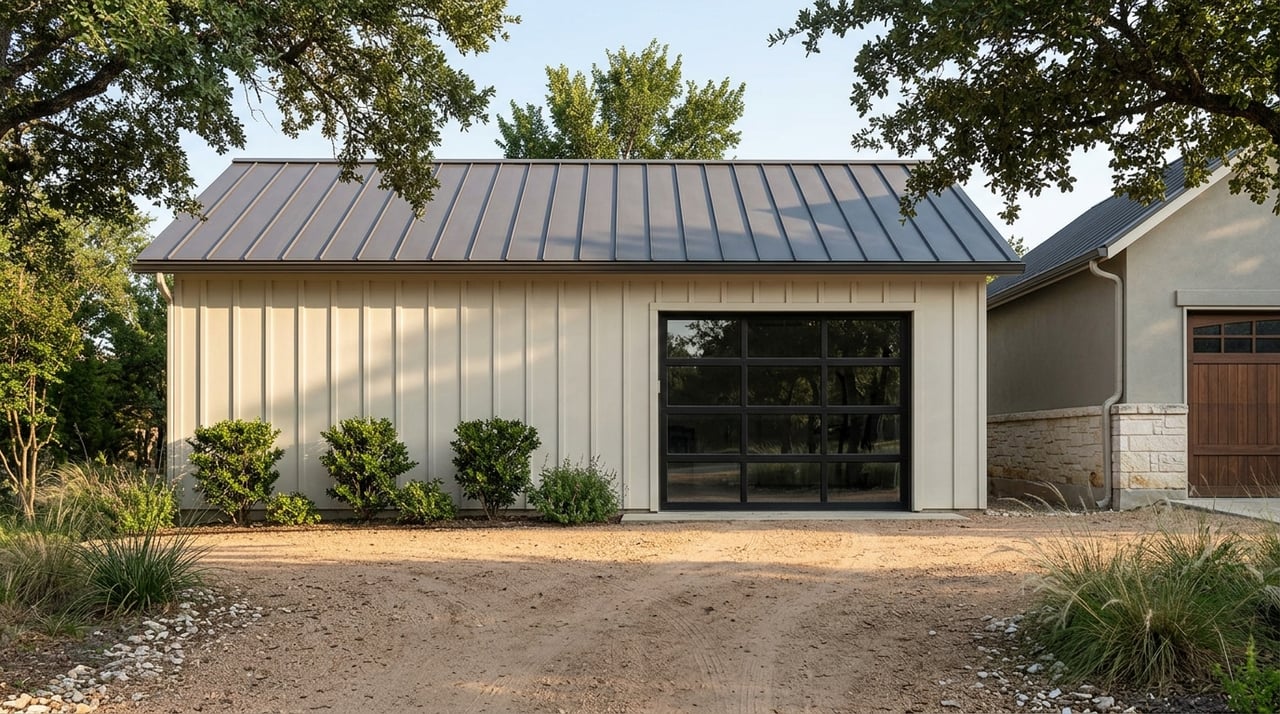
Are you looking for more room to breathe without giving up access to Dallas, Plano, or Irving? That balance is exactly why so many buyers keep coming back to Denton County. If you want a home with land, a quieter setting, and practical ways to stay connected to the metro area, this guide will help you understand what to watch for and where the lifestyle fit starts to make sense. Let’s dive in.
Why Denton County stands out
Denton County works well for buyers who want both space and access because it is not just one type of market. The county includes town centers, suburban edges, and more rural parcels spread across places like Argyle, Aubrey, Krum, Pilot Point, Ponder, Sanger, and Northlake. That mix gives you more options if you want anything from a larger lot near daily conveniences to acreage farther from the busiest corridors.
This is also a county where parcel-level details matter. Denton County’s GIS tools are designed to show floodplain information, municipal and political boundaries, transportation networks, and road improvement projects. For buyers looking at acreage, that kind of lot-specific research can make a big difference before you move forward.
Growth is part of the story here too. Denton County’s own thoroughfare planning points to major highway demand, and Lewisville Lake materials describe the area as one experiencing high residential and commercial growth. In simple terms, Denton County still offers room to spread out, but it sits inside a region that continues to change.
Getting city access from rural areas
The biggest question for many buyers is simple: can you really live in a more rural part of Denton County and still get to the city without feeling cut off? The answer depends less on the county name and more on the exact location of the property. In Denton County, commute ease is tied closely to major roads, rail access, and your tolerance for travel time.
Key roads that shape access
Denton County’s transportation network is built around several major corridors. According to the county’s thoroughfare plan, I-35 serves as the main north-south spine, the Dallas North Tollway runs along the eastern border, SH 121 provides a direct connection to DFW Airport, and US 380 is the major east-west route between the county’s lake systems. Those routes are a big reason buyers can consider more space without fully giving up metro access.
At the same time, not every route performs the same way every day. The county also notes that several highways are overloaded, with US 380 called out in particular. That means a property that looks close on a map may feel very different in real life depending on the corridor you use most.
Rail can help in some areas
If you prefer not to rely only on driving, transit adds another layer of flexibility. DCTA’s A-train is a 21-mile commuter rail line that connects Denton County with Dallas County through the DART Green Line at Trinity Mills in Carrollton. It stops at Downtown Denton Transit Center, MedPark, Highland Village/Lewisville Lake, Old Town, and Hebron.
The A-train runs Monday through Saturday, with no Sunday or major-holiday service. It operates every half hour on weekdays and every hour on Saturdays. For some buyers, especially those focusing on eastern or southeastern parts of Denton County, that connection can help support a more rural or semi-rural lifestyle with a workable path into the larger metro area.
What “commutable” really means here
There is no single county-wide answer for how rural you can go and still keep an easy commute. A property’s access depends on its location relative to I-35E, I-35W, SH 121, the Dallas North Tollway, US 380, and the A-train connection. That is why two homes in the same county can offer very different day-to-day routines.
As a general takeaway, eastern and southeastern Denton County tend to be more commute-friendly for regular access to the Dallas side of the metro. Farther north or west often means more privacy and more land, but usually a longer drive. That is not a formal county ranking, just a practical reading of the county’s road and rail network.
What acreage living changes
A home on acreage can be a great fit, but it often comes with questions you may not face on a typical city lot. In Denton County, rural and semi-rural properties are more likely to involve site-specific checks tied to infrastructure, access, and land conditions. The goal is not to make the process sound harder than it is, but to show why good due diligence matters.
Check septic status first
In unincorporated Denton County, the Environmental Health Division administers the on-site sewage facility order. That includes reviewing OSSF designs, issuing permits to construct, conducting final inspections, and enforcing the rules. Texas Commission on Environmental Quality guidance also says permits and approved plans are required to construct, alter, repair, extend, or operate an OSSF, and local programs can be stricter than state minimums.
For you as a buyer, that means septic is not something to treat as a quick box to check. You will want to confirm the system status, understand whether permits were handled properly, and know whether any updates or repairs may be needed.
Understand the water source
Private wells are another common part of rural property ownership. The Texas Water Development Board says private well owners in Texas generally do not need to register a well unless the property is inside a groundwater conservation district, but a water-well report is required when a new well is drilled. The same guidance also states that private well water quality is not regulated by the state, so the owner is responsible for testing and ongoing maintenance.
That is important because water questions are highly property-specific. If a home uses a private well, you will want to understand the setup, review available records, and think about long-term maintenance from the start.
Use parcel-level research tools
Before you fall in love with the view or the extra elbow room, it helps to verify a few basics. Denton County’s GIS portal is designed to help the public check floodplain, boundaries, road projects, and transportation networks. Those tools are especially useful when you are comparing acreage properties that may look similar at first glance but function very differently.
A smart first-round checklist should include:
- Water source
- Septic or OSSF status
- Floodplain location
- Road access
- Parcel-specific restrictions tied to the site
Why the lifestyle appeals to so many buyers
For many people, the draw of Denton County is not just the land itself. It is the daily rhythm that comes with having more space while still staying connected to jobs, shopping, and regional destinations. You can have a quieter setting at home without feeling like you have stepped away from the broader metro area.
Outdoor access is part of the value
Ray Roberts Lake State Park is one of the clearest examples of that lifestyle. Texas Parks and Wildlife says the park includes nine units, with recreation and overnight facilities at Johnson Branch, Isle du Bois, and Jordan, plus the Greenbelt Corridor. The park offers camping, hiking, biking, horseback riding, fishing, boating, and a variety of trail experiences.
That kind of access matters if you want your home life to feel a little different from the pace of the city. It supports a routine where outdoor time is easier to build into weekends and even regular evenings.
Lakes shape the local experience
Lewisville Lake adds another major recreational layer. The U.S. Army Corps of Engineers says the lake is entirely within Denton County, covers 29,592 acres at normal pool, has 187 miles of shoreline, and is bordered by 15 incorporated cities. The lake also serves flood-risk management, water conservation, outdoor recreation, and open space in a fast-growing part of the region.
For buyers, that helps explain why Denton County can feel rural without feeling isolated. Between open land, lake access, trails, and strong transportation links, the county offers a blend that is hard to find in many other parts of North Texas.
How to think about your search
If you are shopping for rural living with city access, it helps to start with your non-negotiables. Some buyers need a shorter route into Dallas, Plano, or Irving several days a week. Others are willing to drive farther if it means more acreage, more privacy, or more flexibility for animals, outbuildings, or future plans.
Instead of asking whether Denton County is commutable as a whole, ask whether a specific property fits the life you actually want to live. That means weighing road access, rail options, land features, water, septic, and floodplain information together. In this kind of search, the details of the parcel matter just as much as the house.
If you want help comparing properties, sorting through acreage questions, or narrowing your search across Denton County, Texas Homes & Lands brings the kind of practical North Texas land knowledge that can make the process feel much clearer.
FAQs
Is Denton County good for rural living with access to Dallas?
- Yes. Denton County offers a mix of rural parcels, small-town settings, and transportation connections through major highways and the DCTA A-train, but access depends on the exact property location.
What should buyers check first on acreage in Denton County?
- Buyers should first verify the water source, septic or OSSF status, floodplain location, road access, and any parcel-specific restrictions.
Does Denton County have commuter rail access?
- Yes. DCTA’s A-train connects Denton County to Dallas County through the DART Green Line at Trinity Mills in Carrollton, with stations in Denton, MedPark, Highland Village/Lewisville Lake, Old Town, and Hebron.
Are some parts of Denton County easier for commuting?
- Generally, eastern and southeastern Denton County tend to be more commute-friendly for regular access to the Dallas side of the metro, while farther north or west often means longer drives in exchange for more land and privacy.
Why is parcel research important for rural property in Denton County?
- Parcel research matters because acreage properties can differ widely in floodplain location, boundaries, transportation access, and infrastructure, and Denton County’s GIS tools are built to help the public review those details.