By Texas Homes & Land
Color has a powerful influence on how a home feels. The right paint choices can make a room feel brighter, larger, calmer, or more welcoming. In homes across Celina, we often see how thoughtful color selection helps highlight natural light, architectural features, and overall layout. While choosing paint might seem like a purely aesthetic decision, understanding how to choose colors for a room can make a noticeable difference in both everyday living and future resale appeal.
Key Takeaways
- Natural light plays a major role in how paint colors appear
- Different rooms benefit from different color tones
- Neutral palettes often support long-term flexibility
- Coordinated color flow helps a home feel more cohesive
Consider Natural Light in Each Room
Lighting dramatically affects how paint colors appear on walls. A shade that looks warm and inviting in one room may appear cooler or darker in another depending on the direction of sunlight. Evaluating natural light throughout the day helps homeowners avoid choosing tones that feel too dark or overly bright once applied.
Lighting Factors That Influence Color
- North-facing rooms with cooler light
- South-facing rooms with warmer sunlight
- Rooms with limited natural light
- Window placement and size
Understanding how light interacts with paint is one of the first steps in learning how to choose colors for a room. Testing paint samples at different times of day can reveal how a shade truly performs in the space.
Match Color to the Room’s Purpose
Different rooms support different activities, and color choices can subtly reinforce those functions. Soft, calming tones often work well in areas meant for rest, while more energetic colors may feel appropriate in social spaces. Considering how each room is used helps narrow down the most suitable palette.
Color Approaches by Room Type
- Soft neutrals or cool tones for bedrooms
- Light, clean shades for bathrooms
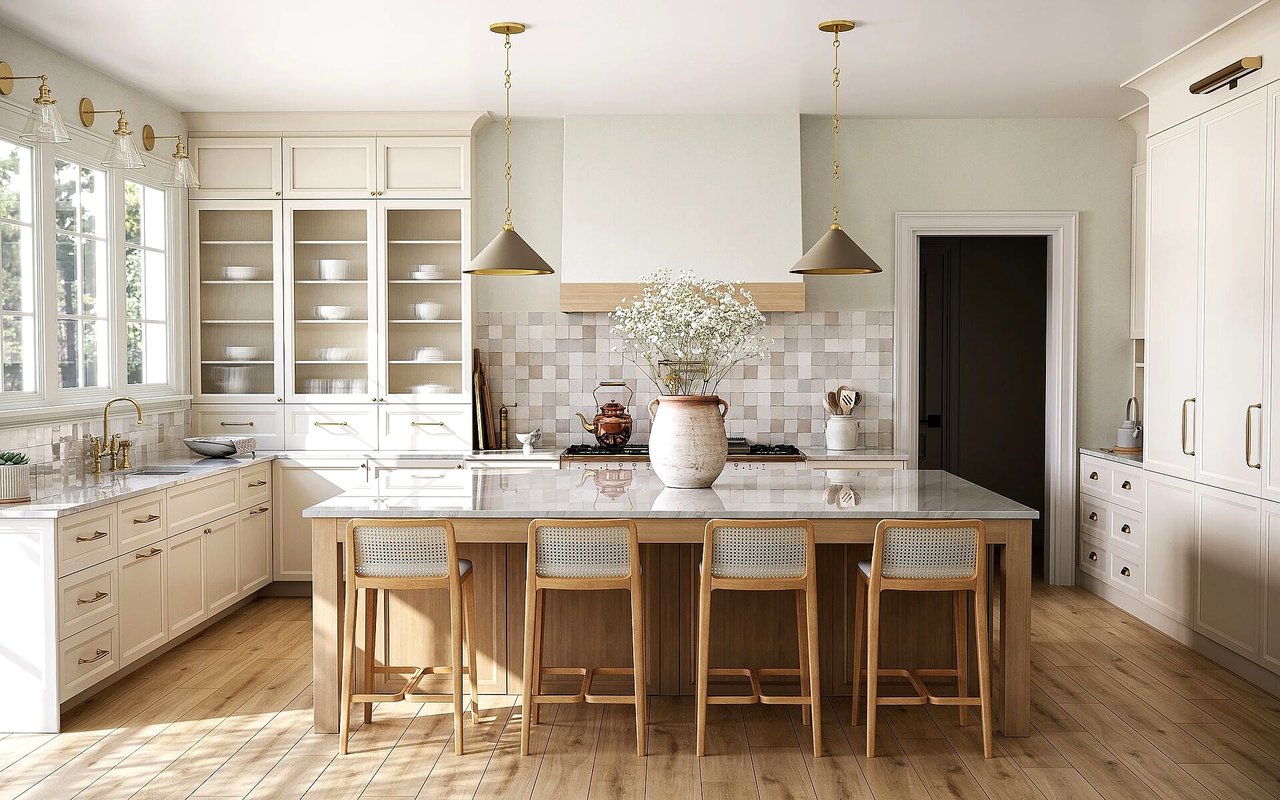
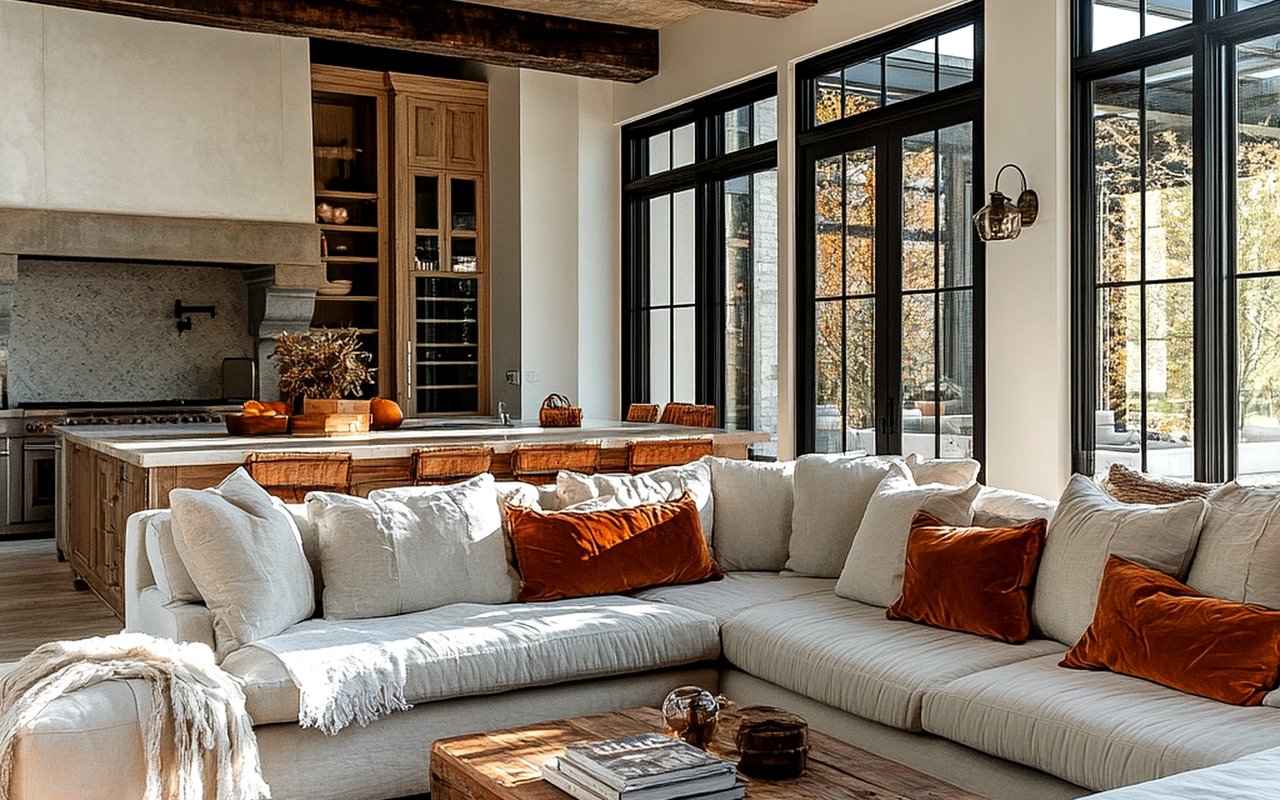
- Warm tones for living and gathering spaces
- Neutral palettes for hallways and transitional areas
When homeowners consider how to choose colors for a room, thinking about the mood they want the space to create often helps guide the decision.
Create Flow Between Rooms
A cohesive color palette helps the entire home feel connected. When rooms transition smoothly from one color family to another, the overall space tends to feel larger and more balanced. Careful coordination prevents abrupt changes that can make a home feel visually disjointed.
Ways to Maintain Color Consistency
- Use complementary shades within the same color family
- Repeat accent colors in multiple rooms
- Maintain consistent trim and ceiling colors
- Limit the number of dominant wall colors
Creating visual flow is especially helpful in open-concept homes. Coordinated palettes make it easier for buyers to imagine themselves living in the space.
Test Paint Samples Before Committing
Paint colors often appear different once they cover an entire wall. Testing samples allows homeowners to see how colors interact with lighting, furniture, and flooring. Sampling also helps avoid costly repainting later.
Smart Ways to Test Paint Colors
- Apply sample patches on multiple walls
- View the color at different times of day
- Compare samples next to flooring and furniture
- Observe how artificial lighting affects the tone
Testing colors carefully is one of the most practical steps in learning how to choose colors for a room. A small investment of time during the selection process often prevents larger changes later.
Think About Long-Term Appeal
While bold colors can reflect personal style, homeowners often benefit from choosing tones that remain versatile over time. Neutral palettes allow future updates in décor without requiring repainting. Long-term flexibility becomes especially important when a homeowner eventually decides to sell.
Paint Choices That Age Well
- Warm whites and soft creams
- Light gray or greige tones
- Muted earth tones
- Neutral accent walls
When considering how to choose colors for a room, balancing personal preference with long-term appeal often produces the best results. A thoughtful palette can enhance both daily enjoyment and resale potential.
FAQs
Should every room in a home be the same color?
Not necessarily. Many homeowners choose complementary tones that flow well between rooms rather than using one single color throughout the entire house.
Do darker colors make rooms look smaller?
Darker tones can make a room feel more intimate, but proper lighting and contrast can still create an inviting space.
Is it better to paint before selling a home?
Fresh neutral paint can often improve presentation and help buyers visualize the space more easily.
Contact Texas Homes & Land Today
Thoughtful color choices can elevate both comfort and presentation inside a home. Understanding how to choose colors for a room allows homeowners to create spaces that feel intentional and welcoming.
For guidance on preparing your Celina home for sale or improving its market appeal, reach out to us at Texas Homes & Land to discuss strategies that help your property stand out in today’s market.