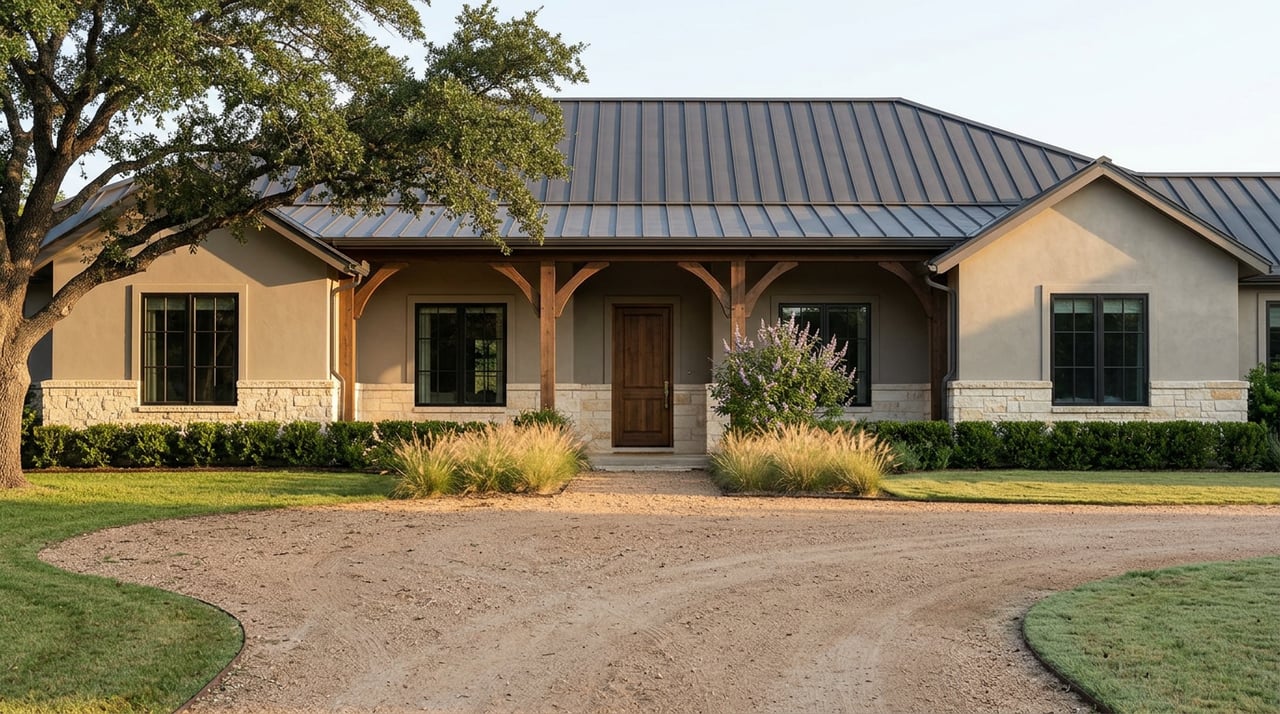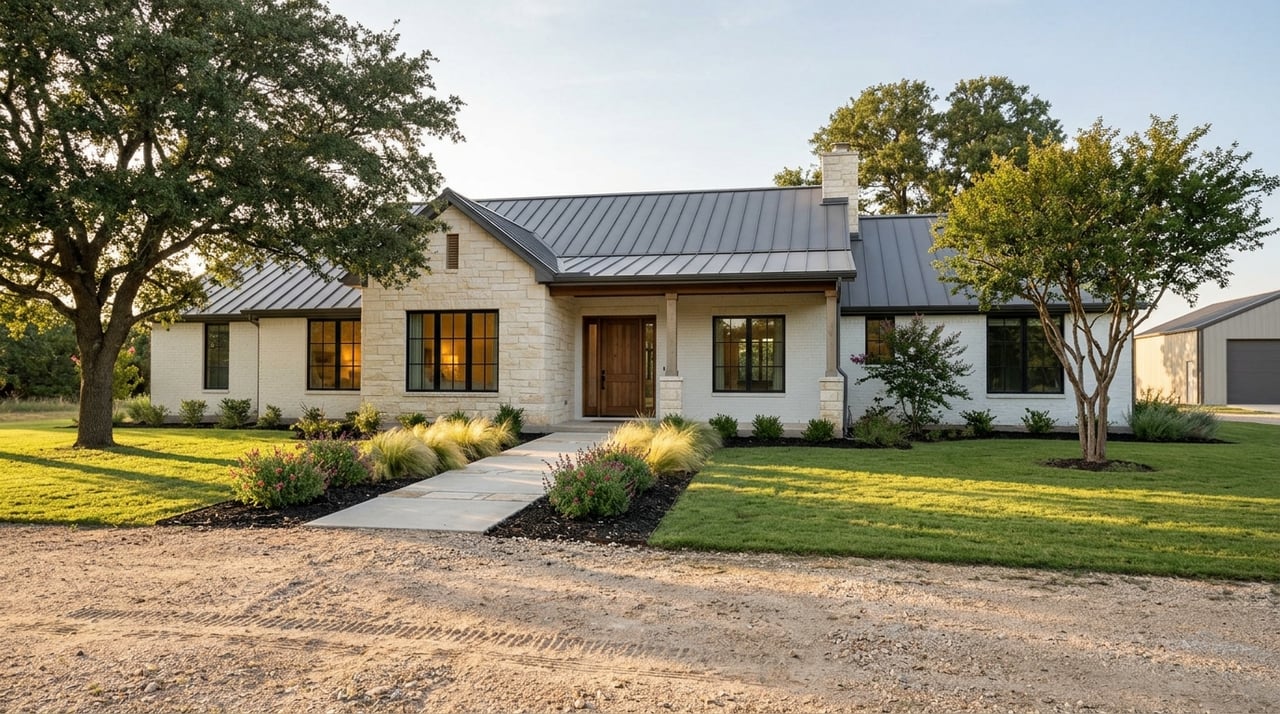
Dreaming about more space, more privacy, and a life that feels a little more grounded? Rural ranch living in Montague County offers exactly that, but it also comes with real day-to-day responsibilities that look different from life in town. If you are wondering what it is actually like to live on land here, this guide will walk you through the setting, the routine, and the ownership details that matter most. Let’s dive in.
Montague County Feels Truly Rural
Montague County is not a place where subdivisions stretch for miles. It has 21,890 residents across 930.91 square miles, which works out to about 21.4 people per square mile. That low density, along with just 22 building permits recorded in 2024, points to a land-heavy county where open space still shapes daily life.
That rural feel is part of the county’s long history. Montague County has deep ties to cattle country, and that heritage still shows today. Bowie is the largest town, Montague is the county seat, and much of the county remains defined by working land rather than suburban growth.
Ranch Living Starts With the Land
If you picture Montague County as a patchwork of pasture, hay ground, cropland, and wooded areas, you are on the right track. The USDA reports 1,644 farms covering 465,118 acres, with an average farm size of 283 acres. Pastureland leads by a wide margin at 309,559 acres, followed by cropland and woodland.
That mix matters because it shapes what ranch living looks like here. In many cases, you are not just buying a house with a big yard. You are buying a piece of land that may support grazing, hay production, livestock, or simply the privacy and elbow room that draws many buyers to North Texas acreage in the first place.
Typical Property Sizes Vary
One of the biggest surprises for buyers is that there is no single “normal” ranch size in Montague County. While the average farm is 283 acres, many farms fall into the 10 to 49 acre and 50 to 179 acre ranges. That means rural ranch living here can look very different depending on the property.
For some owners, it may mean a home on manageable acreage with a few animals and open pasture. For others, it may mean larger tracts with more intensive land use. The key is to think in acreage tiers and match the property to the lifestyle you actually want.
Livestock Is Part of Everyday Life
Montague County’s agricultural profile is heavily tied to animals. Livestock, poultry, and related products account for 81% of agricultural sales, and cattle and calves lead the way with $44.07 million in sales and 73,289 head in inventory. Horses, goats, and sheep are also part of the local mix.
That tells you something important about everyday life here. In Montague County, animals are not a novelty. They are a normal part of the landscape and a common part of property ownership.
Daily Routine Is Hands-On
If you live on a ranch or small acreage property in Montague County, your day often revolves around the land. Because pasture and livestock dominate the local ag profile, routines commonly include feeding animals, checking fences, monitoring water, managing hay, and keeping up with pasture conditions. Even on smaller properties, maintenance tends to be ongoing.
This lifestyle can be deeply rewarding if you enjoy practical work and time outdoors. It can also feel like a big adjustment if you are used to a home where most upkeep stops at the back fence. Ranch living usually means your property needs regular attention, not just seasonal check-ins.
Family Farms Shape the Local Culture
Another thing that stands out in Montague County is how family-centered the land base is. The USDA reports that 98% of farms here are family farms. That creates a different feel than a market dominated by large institutional operations.
For you as a buyer, that can mean a more personal rural culture where land ownership often connects to family history, long-term stewardship, and practical use. It is one reason Montague County tends to appeal to people who want a place with authenticity, not just acreage on paper.
Weather Plays a Big Role
North Texas weather has a direct effect on ranch life, and Montague County is no exception. NOAA data for Bowie shows average highs ranging from 54.1°F in January to 93.9°F in August. Average lows range from 30.0°F in January to 71.9°F in July, with annual precipitation totaling 35.32 inches.
Spring deserves special attention. May is the wettest month, averaging 5.22 inches of rain, which can make that season especially active for pasture growth, mud, drainage issues, and general property upkeep. If you are considering rural living here, it helps to think beyond the pretty views and picture how the land responds through the seasons.
Buyers Should Expect Longer Drives
Rural space usually comes with more windshield time. In Montague County, the mean travel time to work is 33.8 minutes. That does not mean every trip is long, but it does reflect a county where daily errands, school routes, work commutes, and supply runs often take more planning than they would in a denser area.
For many buyers, that tradeoff is worth it. You get room to spread out, quieter surroundings, and land that can serve multiple purposes. Still, it is smart to think honestly about how much driving fits your routine.
Internet and Utilities Need Verification
A lot of buyers assume rural always means poor connectivity, but the reality is more mixed. In Montague County, 91.4% of households have a computer and 80.9% have broadband. That is encouraging, but it does not remove the need to verify service at the specific property level.
This is especially important if you work from home, stream regularly, or need reliable service for business or school use. On acreage properties, utility questions should be part of your early checklist, right alongside road access and water service.
Septic and Floodplain Questions Matter Early
Rural property due diligence is different from buying in a typical neighborhood. Montague County has an on-site sewage facility permit process, so septic or OSSF status should be reviewed early. If a property needs a new system, repairs, or updates, that can affect your timeline and budget.
Floodplain issues matter too. The county states that no work may begin in a floodplain until a floodplain development permit is issued. That makes building location, drainage, and site planning important from the very beginning, especially if you are buying land with future improvements in mind.
Tax Status Can Affect Ownership Costs
One of the most important questions on acreage is how the land is currently appraised. In Texas, qualifying agricultural or open-space land may be appraised based on productivity value rather than market value. In Montague County, exemptions and deferrals are handled through the Montague County Appraisal District, including homestead and several other forms of property tax relief.
For ranch buyers, this can have a major impact on carrying costs. If you are comparing properties, it is worth looking closely at current tax status and what would be required to maintain or change that status after closing.
Animal Ownership Comes With Practical Systems
If you plan to keep livestock, there is another local detail worth knowing. The Montague County Sheriff’s Office runs a Cowdex program that allows owners to register cattle, goats, sheep, and equine along with identifying marks, brands, ear tags, and the nearest crossroad. That reflects a very real part of rural life: animals sometimes get out, and clear identification matters.
This may sound like a small thing, but it says a lot about the local lifestyle. In Montague County, livestock ownership is common enough that systems are in place to help reconnect animals with owners. That is a practical reminder that ranch life includes both freedom and responsibility.
School Boundaries May Be More Complex
If school geography matters to your home search, do not assume one simple countywide pattern. The county includes multiple public school districts, including Bowie, Goldburg, Montague, Prairie Valley, Saint Jo, Forestburg, and Nocona. On rural properties, district boundaries can be less obvious than buyers expect.
That is why it helps to verify district assignment early in the process. Even if schools are not your main focus, district boundaries can still shape resale appeal and planning.
Who Montague County Ranch Living Fits Best
This lifestyle tends to fit buyers who want more than just a house. It is a strong match if you want space, privacy, room for cattle or horses, or a property that supports a hands-on outdoor routine. It also fits buyers who understand that rural ownership comes with ongoing maintenance, weather exposure, and more moving parts than a typical suburban purchase.
If that sounds like the life you want, Montague County has a lot to offer. Its long cattle history, strong livestock base, and family-farm structure all point to a place where ranch living is part of normal life, not just a weekend image.
What to Check Before You Buy
If you are serious about buying a ranch or acreage property in Montague County, focus on the basics early.
- Confirm septic or OSSF status
- Check for floodplain issues and permit needs
- Review agricultural or open-space appraisal status
- Verify internet availability at the property
- Confirm school district boundaries if they matter to you
- Understand the land’s current use, access, and upkeep needs
The right property can be a great fit, but rural real estate rewards buyers who ask practical questions up front.
If you are exploring ranch properties in North Texas and want clear, local guidance, Texas Homes & Lands can help you sort through the details that matter and find acreage that fits the way you want to live.
FAQs
What is rural ranch living like in Montague County?
- Rural ranch living in Montague County usually means more space, more privacy, and more hands-on property care, often centered around pasture, livestock, hay, and ongoing land maintenance.
What size ranch or acreage is common in Montague County?
- Many farms in Montague County fall in the 10 to 49 acre and 50 to 179 acre ranges, while the average farm size is 283 acres.
Can you keep livestock on property in Montague County?
- Livestock is a major part of the county’s agricultural profile, including cattle, horses, goats, and sheep, and the local sheriff’s Cowdex program reflects how common animal ownership is in the area.
What should buyers check first on a Montague County ranch?
- Buyers should verify septic or OSSF status, floodplain issues, agricultural appraisal status, internet service, school district boundaries, and the property’s access and land-use details.
Does weather affect ranch living in Montague County?
- Yes, North Texas weather plays a big role, with hot summers, cooler winters, about 35.32 inches of annual precipitation, and especially active spring conditions during the wetter month of May.
Is Montague County a good fit for buyers wanting a rural lifestyle?
- Montague County can be a strong fit if you want open space, room for animals, and a true land-management lifestyle, and if you are comfortable with longer drives and ongoing upkeep.