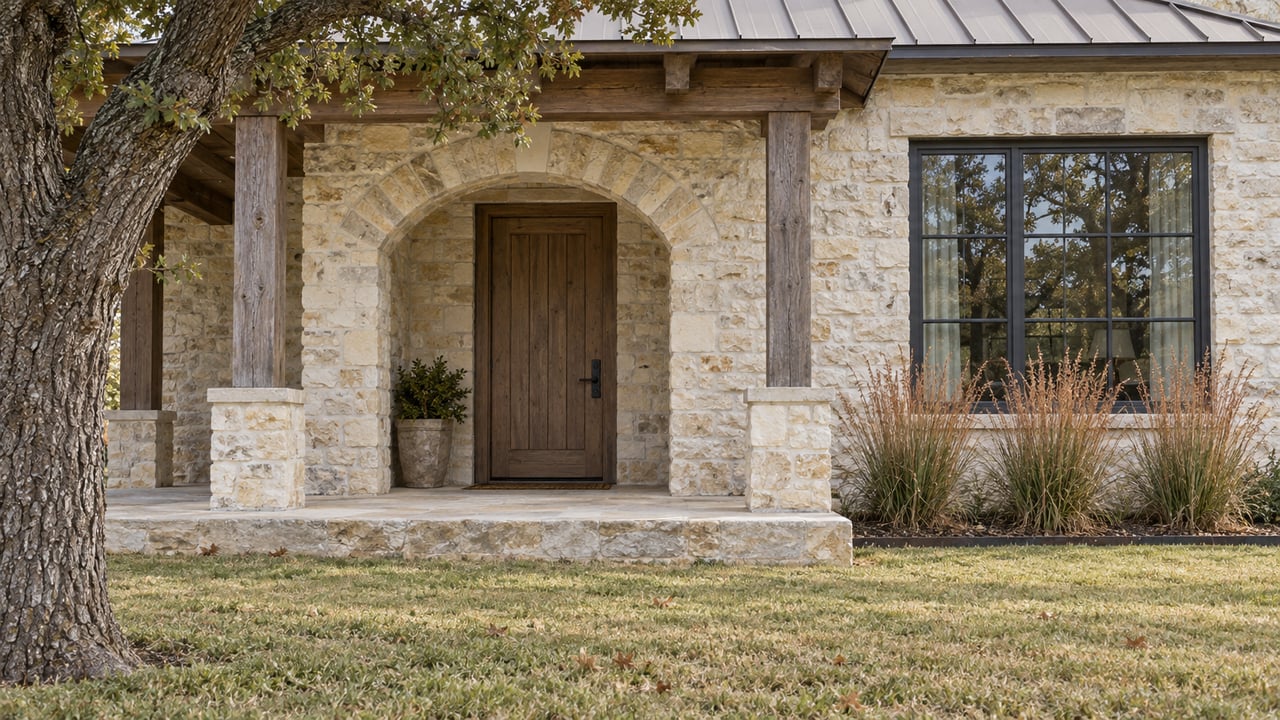
A buyer closing on Cooke County acreage this fall is working under a Texas rule that wasn't in force a year ago. Since January 1, 2026, for land that had agricultural valuation the previous tax year, a sale doesn't count as a change in ownership for valuation purposes if the new owner uses the land "in materially the same way" as the old one, and if that use is "overseen or conducted by the same individuals" as the year before. The change came from H.B. 1244, passed by the 89th Legislature in 2025.
On a lot of rural land around Gainesville, the people running the operation aren't the owners. They're a neighbor with a grazing lease, a family member who runs a few head, or someone who cuts and bales the hay meadow every summer. Under the 2026 rule, those people now figure in whether a buyer's ag valuation carries forward smoothly. A contract that ends the lease at closing and one that keeps the lease in place can leave a buyer in different places with the appraisal district.
The default: a new owner files again
The baseline rule hasn't changed. Under Texas Tax Code Section 23.54, once open-space appraisal is approved, the land stays eligible in later years without a new application "unless the ownership of the land changes or its eligibility under this subchapter ends." A normal sale is a change in ownership, so the buyer has to file their own application, and it must be filed before May 1. The chief appraiser can extend that deadline by up to 60 days for good cause. A late application approved under the general late-filing rule carries a penalty of 10 percent of the difference between the tax at ag value and the tax at market value.
The land itself also has to qualify. Ordinary 1-d-1 valuation requires that the land currently be devoted mainly to agricultural use at the intensity generally accepted in the area, and that it have had qualifying use in five of the preceding seven years. The history belongs to the land, so a buyer inherits whatever record the seller built. The state's application, Comptroller Form 50-129, asks for that current and past use, and it notes that land inside a city or town may need five continuous years.
The "generally accepted intensity" test is applied locally. The Cooke County Appraisal District makes the call for land in Cooke County, and it is the office to ask about current stocking and acreage expectations for cattle, hay, horses or goats on a specific tract.
What H.B. 1244 added on top of that
The 2026 law layered two changes onto the default.
- Ownership isn't treated as changed when the operation continues. Subsection e-1 of Section 23.54 already covered transfers to a surviving spouse. That piece came from H.B. 2354, effective January 1, 2024. H.B. 1244 extended it to transfers of land that had ag valuation in the preceding tax year, as long as the new owner keeps the same use under the same people.
- A longer late-filing window with no penalty. New subsection a-2 of Section 23.541 requires the chief appraiser to accept and decide a late application if the land had ag valuation the year before, the use and the people overseeing it are the same, and the application is filed by the later of the tax delinquency date or the first anniversary of the transfer. The 10 percent late penalty does not apply to these filings.
The Senate Research Center's bill analysis, dated May 2, 2025, summarizes the purpose as allowing land to keep open-space appraisal after a qualifying transfer and allowing a late application in specified circumstances.
The text does not mention grazing lessees. The test is about who oversaw or conducted the use. If a lessee ran the cattle last year and runs the same cattle operation this year, that arrangement appears to fit the language. Whether a particular arrangement qualifies is up to the chief appraiser, who decides whether to approve the application.
How a closing can play out
The statute ties the outcome to what happens on the ground after closing. Here is how the code lines up against a few common Cooke County situations.
| Situation after closing | What the statute says |
|---|---|
| Seller's grazing lessee keeps running the same cattle operation | Ownership is not considered changed if the use is materially the same and the same individuals oversee it. A late application filed under a-2 carries no penalty. |
| Buyer ends the lease and runs the land personally | Different individuals means a change in ownership, so a new application is due before May 1 under the standard rule. |
| Same land, but the use shifts from hay to cattle | The owner must notify the appraisal office in writing before May 1 after a change in the category of agricultural use. |
| Buyer builds a homesite on part of the tract | A change of use on part of a parcel triggers the additional tax on that part only. |
| Land passes to a surviving spouse | Ownership is not considered changed. |
| Owner dies during the prior tax year, and a surviving spouse, child or executor files | If the land had ag valuation that prior year, a late application is allowed through the tax delinquency date, with no 10 percent penalty. |
The table explains why the lease belongs in early negotiations. A buyer who plans to keep the lessee and a buyer who plans to clear the pasture for their own herd are headed toward different filing paths. Both paths can work. The first relies on continuity, and the second relies on the buyer filing a complete application on time and meeting the local intensity standard right away.
A sale alone doesn't trigger rollback
Buyers often hear "rollback" and assume the sale sets it off. Under Section 23.55, what triggers the additional tax is a change in the land's use. The statute reads:
"If the use of land that has been appraised as provided by this subchapter changes, an additional tax is imposed on the land equal to the difference between the taxes imposed on the land for each of the three years preceding the year in which the change of use occurs..."
Four details in that section affect a buyer's math:
- Three years, counted backward. The additional tax covers the three years before the change of use in which the land had ag valuation. The current formula adds no separate rollback interest charge.
- Only the affected acres. If just part of a parcel changes use, the tax applies to that part alone.
- The lien attaches at the change. A tax lien attaches on the date the use changes, in favor of every taxing unit owed the additional tax.
- When the bill comes due. The chief appraiser determines whether a change of use happened and sends a notice that explains the owner's right to protest. The resulting bill becomes delinquent, and starts accruing penalties and interest, if it isn't paid before the next February 1 that falls at least 20 days after the bill is delivered.
The statute also lists exceptions, including a sale for right-of-way and a condemnation.
Because the sale doesn't trigger rollback, the risk shows up afterward, when the operation stops, the hay meadow goes unmowed, or a house pad goes in. A buyer who keeps the land in the same use with the same people has the most continuity under the new law. A buyer who changes things takes on the notice duty and, depending on the change, the rollback.
The notice duty after closing
Section 23.54 requires an owner with ag valuation to notify the appraisal office in writing before May 1 once the land's eligibility ends or its category of agricultural use changes. Missing that notice brings a penalty of 10 percent of the tax difference for each year the valuation was wrongly allowed. If the chief appraiser finds valuation was wrongly allowed in any of the five preceding years because no notice was given, the value difference can be added back to the roll. For a buyer who closes this fall and plans a different operation in spring, that May 1 date comes up quickly.
Where wildlife valuation fits
Some Cooke County buyers want the land for wildlife rather than cattle. Wildlife management valuation is a separate category with its own requirements. Under the standard route, the land must already have 1-d-1 or timber appraisal when the wildlife use begins, and the owner must carry out at least three of the seven practices listed in the statute. The statute also defines separate routes tied to endangered species and to conservation or restoration projects. The application calls for a wildlife plan on the Texas Parks and Wildlife Department's form. The Comptroller's July 2023 wildlife guidelines say there is generally no minimum acreage for converting to or staying in wildlife use. A tract that has been reduced in size may face an added requirement, and the chief appraiser sets the percentage within a regional range.
Since wildlife use builds on existing ag valuation, a buyer who wants to convert usually has a smoother start when the ag valuation carried over cleanly through the sale.
A few quick answers
Does the grazing lease have to be in writing for the 2026 rule to apply? The statute doesn't address lease form. It asks whether the use is materially the same and whether the same individuals oversee or conduct it. The application asks about those circumstances, so the record needs to support them.
Does beekeeping count on a small tract? Texas specifically allows beekeeping as an agricultural use on tracts of 5 to 20 acres. Local intensity standards still apply, and Cooke CAD sets them.
Where does a Cooke County owner get the forms? Cooke CAD's forms page links to the Comptroller's state forms, including the open-space application.
This is general information about how the Tax Code reads, not legal or tax advice. Confirm how it applies to your own tract with Cooke CAD and a qualified tax professional before you sign anything.
If you're buying or selling Cooke County acreage that currently has ag valuation, the grazing or hay arrangement deserves attention early in the deal, well before closing. At Texas Homes & Land, Coryann Johnson and our farm and ranch team handle these questions on every land deal, and we're glad to go over yours before you write an offer or set terms. Let's Make It Happen.